Cocktails
Strawberry Rhubarb Wine: Fermentation Guide
An overview of strawberry and rhubarb winemaking, including equipment, fermentation and aging. This is a long-term project.
About 20 minutes of active preparation, followed by fermentation and aging. Read the full winemaking guidance before starting.
Winemaking overview: fermentation and aging are required. Use a complete tested winemaking method before bottling.
WHAT YOU NEED
Ingredients
METHOD
How to make it
Preparation:
- Rinse the strawberries and rhubarb under cool water. Hull the strawberries and cut both the strawberries and rhubarb into small pieces.
Initial Fermentation:
- In a large pot, bring the water to a boil and dissolve the sugar in it. Let it cool down to room temperature.
- Place the cut strawberries and rhubarb in a fermentation bag inside a primary fermentation container (a food-grade bucket works well).
- Pour the cooled sugar water over the fruits, ensuring they're fully submerged.
- Add the acid blend, yeast nutrient, and pectic enzyme according to the dosage recommended on their packages. If you're using Campden tablets, crush and add one tablet, then let the mixture sit for 24 hours to sterilize.
- Prepare and add the yeast according to its package. Measure and record the initial specific gravity with a hydrometer; adjust the must only according to a tested fruit-wine method.
Primary Fermentation Continues:
- Cover the fermentation container with a clean cloth or lid fitted with an airlock. Let it sit in a cool, dark place.
- Stir with sanitized equipment and monitor specific gravity. Move to secondary fermentation when the hydrometer reaches the range specified by your tested method, not solely after a fixed number of days. See the NDSU Extension winemaking guide.
Secondary Fermentation:
- After the primary fermentation period, remove the fermentation bag, squeezing out any excess liquid back into the container.
- Transfer the liquid to a secondary fermentation vessel, like a glass carboy, using a siphon to avoid transferring sediment.
- Fit the carboy with an airlock. Continue monitoring specific gravity and rack off sediment as directed by your tested method. Fermentation and clearing times vary.
Bottling:
- Do not bottle solely because the wine looks clear or a few weeks have passed. Confirm fermentation is complete with a hydrometer and that the wine has cleared and stabilized according to your tested method.
- Siphon finished wine into sanitized bottles and close them according to your equipment instructions. If you cannot confirm that fermentation is finished, do not bottle this batch.
Aging:
- Store the bottles in a cool, dark place. The wine will continue to improve with age, and it's generally best after 6 months to a year.
Recipe notes
- Patience Pays Off: Resist the urge to rush the process. The longer your wine ages, the better the flavors will develop.
- Taste Test: Feel free to taste your wine at different stages. This will not only be enjoyable but also give you insight into the fermentation process.
Fruit varies. Use a hydrometer and tested method; elapsed time or clarity alone does not show that it is safe to bottle.
TASTED THIS RECIPE?
Rate this drink
Something wrong or not matching?
More in this article 4 sections
Homemade Strawberry Rhubarb Wine Recipe
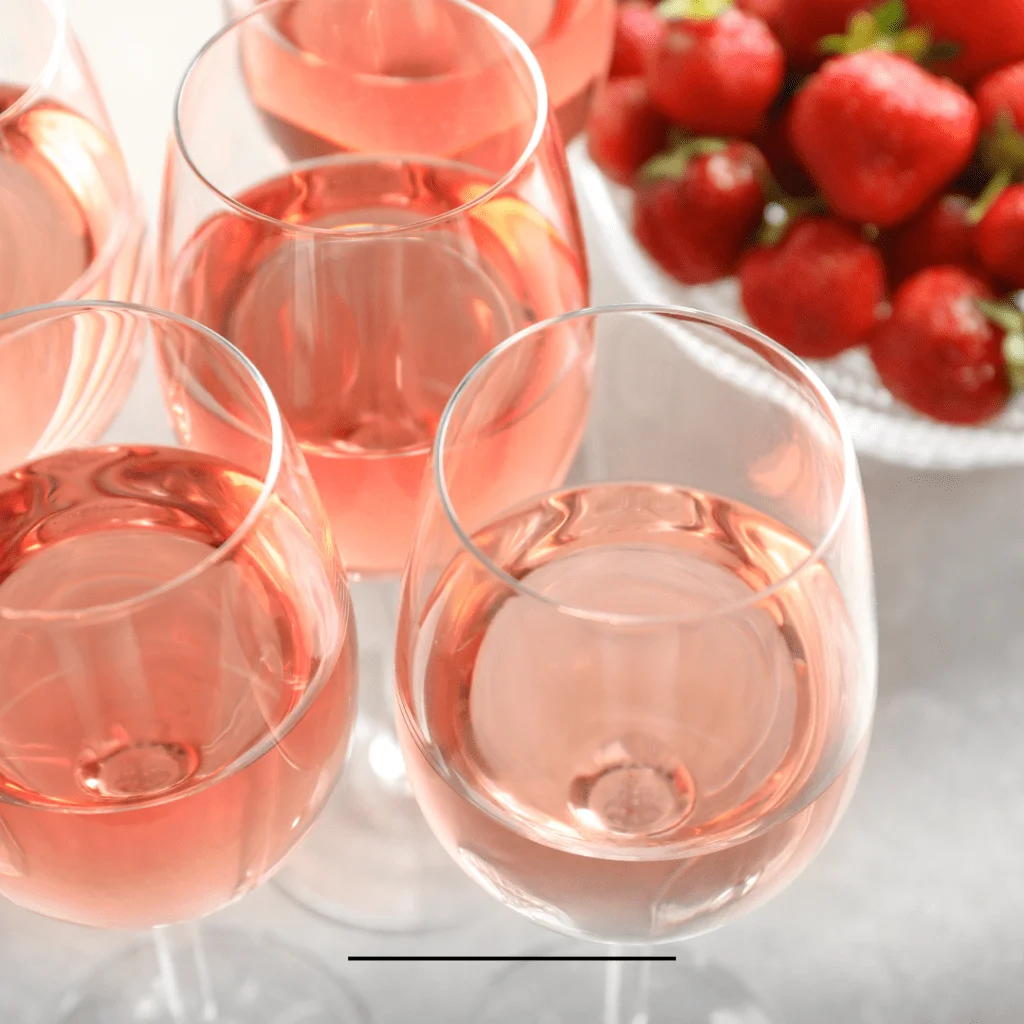
Strawberry Rhubarb Wine is a type of wine made from fermenting strawberries and rhubarb together. It combines the fruity sweetness of strawberries with the tartness of rhubarb, resulting in a unique flavor profile that is both sweet and tangy.
Tips for Success:
- Sanitation is Key: Ensure all your equipment is thoroughly sanitized to prevent any unwanted bacteria from spoiling your wine.
- Measurements matter: Fruit sugar and acidity vary. This outline requires a hydrometer, sanitized equipment and a complete tested winemaking method; the calendar alone does not show when wine is ready to bottle.
- Read the full method: Check the linked university extension guide for equipment, fermentation and bottling guidance before you begin.
What to serve with
This fruity homemade wine suits light food: a cheese platter, spinach and strawberry salad, grilled seafood or poultry. For dessert, try a fruit tart or a lemon cheesecake.
Ingredients Substitutes
Making Strawberry Rhubarb Wine can be a flexible process, and there may be occasions when you need to substitute key ingredients due to availability, taste preferences, or dietary restrictions. Below are detailed ingredient substitutes for making this wine:
Strawberries:
- Berries: Raspberries, blackberries, or a berry blend can substitute for strawberries if they're out of season or unavailable. These berries also offer a balance of sweet and tart tastes that complement rhubarb.
- Cherries: Cherries can add a depth of flavor and a rich color to the wine, though they will result in a different flavor profile.
Rhubarb:
- Green Apples: While not identical in taste, green apples can mimic the tartness of rhubarb and are often more readily available year-round.
- Gooseberries: Gooseberries have a similar tartness to rhubarb and can work as a substitute, although they are less fibrous and may contribute to a slightly different texture.
Sugar:
- Honey: You can replace sugar with honey for a more complex sweetness; however, you might need to adjust the amount slightly as honey is denser and sweeter than granulated sugar.
- Agave Syrup: Agave syrup is another alternative, offering a similar level of sweetness. Use less agave syrup than sugar, as it tends to be sweeter.
Water:
- Fruit Juice: To add more fruit character to your wine, use mild, non-citrus fruit juice such as white grape juice instead of water. This will also contribute additional natural sugars to the fermentation process.
Acid Blend:
- Citric Acid: If you cannot find a commercial acid blend, you can use citric acid (sourced from citrus fruits) to adjust the wine's acidity.
- Tartaric Acid: Derived from grapes, tartaric acid is another component of many acid blends and can be used to create the desired pH balance.
Yeast Nutrient:
- D.I.Y. Nutrient Blend: You can make your yeast nutrient by mixing baker's yeast (boiled to deactivate it) with a small amount of Epsom salt and vitamin B complex.
Yeast:
- Alternative Wine Yeast Strains: If you don't have access to Montrachet yeast, consider using other wine yeast strains that work well with fruit wines, such as EC-1118 or Côte des Blancs.
Campden Tablets:
- Potassium Metabisulfite: You can substitute Campden tablets with potassium metabisulfite powder to sterilize the must before adding yeast. Follow the instructions for proper amounts, as it is a potent chemical.
Pectic Enzyme:
- None: If you cannot find a pectic enzyme, you may choose to go without it. However, this may result in a cloudier wine, as the enzyme helps clarify the wine by breaking down fruit pectin.
Final Thoughts
Creating Strawberry Rhubarb Wine is a delightful way to engage with the winemaking process and enjoy the fruits of your labor. Cheers to a successful batch of homemade wine filled with the essence of strawberries and rhubarb!
Reader comments
Loading comments…